A new article has been published in the European Dissemination Media Agency (EDMA) online magazine, authored by Sonata Adomavičiūtė-Grabusovė, Rita Vilaça, Susana Soares, and Rosa Perez-Gregorio — researchers from the WHEATBIOME project. The piece highlights the role of microbial communities in shaping wheat crop performance and sustainability.
Wheat is a cornerstone of global food security, and disruptions in its production, through reduced yields or quality, have direct consequences for availability and prices. Improving wheat resilience and nutritional value requires a deeper understanding of how biotic and abiotic factors influence soil health, plant microbiomes and crop outcomes.
The EU-funded WHEATBIOME project addresses these challenges through cutting-edge research that explores wheat development from soil to final food quality. By investigating the interrelation between microbial communities, wheat genotype, edaphoclimatic conditions and agricultural practices, the project aims to optimise wheat quality, reduce dependence on chemical inputs, and strengthen sustainable food systems.
Key highlights from the article include:
- Microbial impacts on wheat quality: Microbiota collectively influence wheat metabolism, protein expression and nutritional attributes.
- Biotic and abiotic factors: Environmental and biological conditions shape microbial communities, ultimately affecting crop resilience and performance.
- Case studies in Spain and the Netherlands: Providing real-world insights into soil–microbiome–crop interactions.
- Lab-scale validation of microbial influence on wheat crops: To explore how microbial consortia contribute to wheat nutrition and performance, researchers carry out a controlled laboratory study to examine their direct effects.
- Bioinformatics and statistical approaches for sustaining microbial dynamics: The relevance of bioinformatics and statistical tools lies in their ability to enhance our understanding of the intricate relationships between biotic and abiotic factors influencing microbial behaviour in food systems.
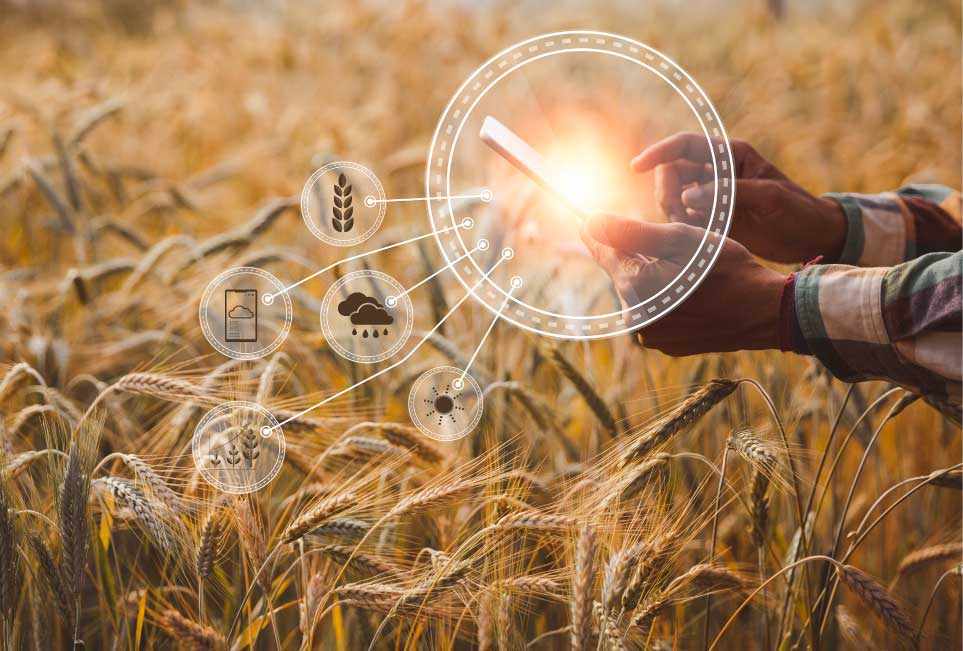
- Societal benefits: From improved fermentation research to the development of a digital Decision Support System (DSS) for farmers, WHEATBIOME delivers tools that support healthier, sustainable wheat production across Europe.
This research showcases the transformative potential of microbiome-informed agriculture, offering new opportunities to improve wheat productivity and nutritional value while enhancing environmental sustainability.
Read the full article in the European Dissemination Media Agency (EDMA) online magazine: https://edition.pagesuite-professional.co.uk/html5/reader/production/default.aspx?pubname=&edid=bd352ac8-09ba-492c-8437-05ffbfdfca60&pnum=126