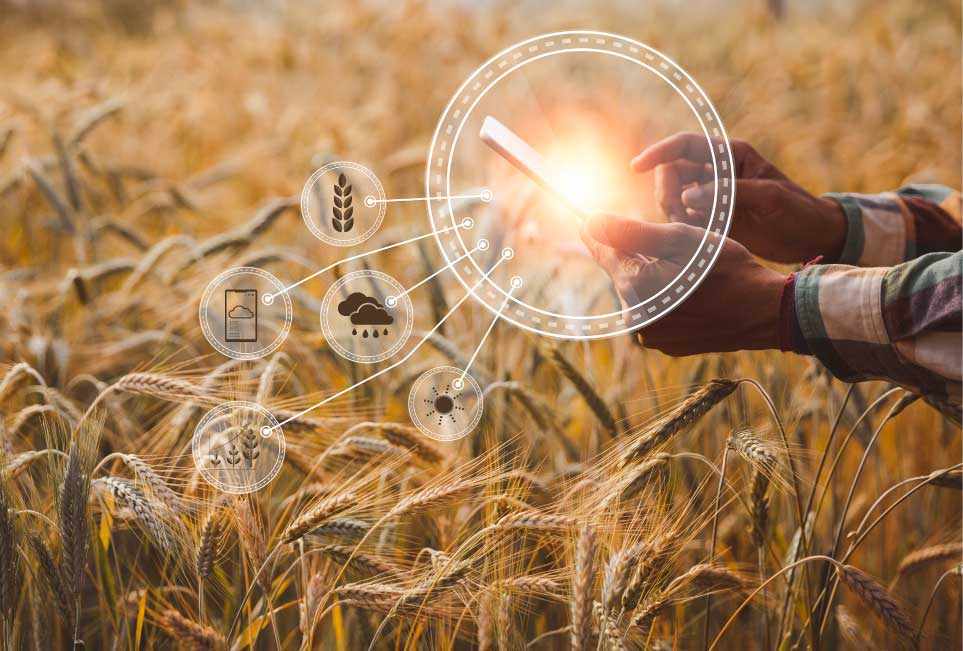
Wheat is one of the most vital crops for global food security, but its future hinges on a deep transformation towards sustainability, resilience, and better health outcomes. At EDAGRI, we highlight groundbreaking research initiatives driving this change. Below, we explore two key articles that dive into the scientific and agricultural advances shaping the next generation of wheat production.
1. Unlocking the power of the wheat microbiome
About the project: WheatBiome | Duration: 2023–2027 | EU Horizon Europe
The WheatBiome project brings together 13 partners across six countries to explore how the microbiome of wheat can enhance the sustainability and health benefits of wheat-based foods and feeds. With a rising global population and climate pressure, researchers aim to uncover how soil and plant microorganisms affect crop quality, disease resistance, and the nutritional profile of wheat.
The project goes beyond crop growth—studying fermentation processes, allergenic proteins like gliadins (linked to celiac disease), and the recycling of wheat byproducts. By testing wheat microbiota in controlled environments and evaluating public perception, the initiative aims to generate not only scientific data but also scalable agricultural practices for climate-resilient and healthier food systems.
? Read more (Editorial Agrícola)
2. Reimagining wheat for modern health and agriculture
Interview-Based Article Featuring Researchers from UVigo and Itacyl
Wheat research is shifting focus—beyond yield—to tackle rising food intolerances, environmental degradation, and sustainable agricultural practices. María Rosa Pérez-Gregorio, expert at the WheatBiome project, stress that how we grow food must evolve. Practices must now prioritize human health, biodiversity, and reduced chemical use.
This second article explains how new wheat varieties aim to minimize allergenic proteins and improve overall nutrition. Researchers are using lactic acid bacteria in fermentation to create novel food products from wheat that are better tolerated by sensitive populations. The approach is comprehensive—from analyzing soil and microbes to adjusting plant metabolism—making wheat safer, more resilient, and more valuable for both farmers and consumers.
? Explore full article (Editorial Agrícola)
Contribution: Editorial Agrícola & Contactica